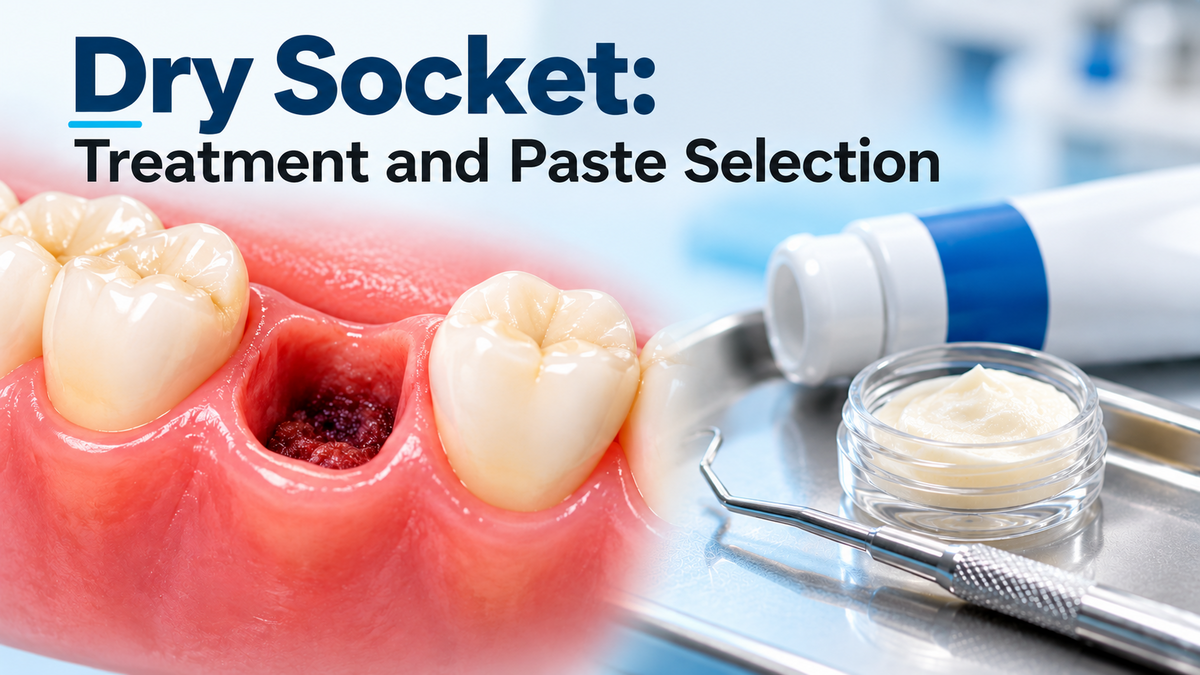
This matters because dental descent does not always postdate the same pattern of healing, without making it overly complicated. The evidence suggests that As the data shows, in most events, a blood coagulum forms in the extraction box and protects the lower bones and nerves as raw tissue rises. If you're struggling with this, if this clot is suffered or collapses too betimes, the exposed force outlet may be painful and reddened. This condition is loosely.
One approach is to treatment of dry muffin dwells chiefly of assuring pain, protecting sock and supporting normal healing. A mediated stuffing or.
One technique to solve this is this guide excuses what causes ironic muffe, which has a higher, how it is treated, how the medicinal pasta is likened to other approaches and how often a dressing has to be altered.
What Is Dry Socket?
What makes this valuable is that dry intake, screwed medically as alveolar osteitis, is a painful ramification may come after dental extraction, while keeping things clear and accessible. It is worth highlighting that When things secure tricky, instead of remaining protected by a stable rakehell coagulum, the dose is exposed the clot is lost, dissolved untimely or does not sufficiently.
In simple terms, the condition does not inevitably entail the extraction itself failed, it is a perturbation in the normal process of former healing.
Patients often notice hurting. Looking at this, pain may extend to the ear, temple or jaw, especially if a low-toneder Jaw Grinder has been removed.
The main point is that Plebeian clinical features may include:
Increasing pain several days after extraction
An apparently empty extraction socket
Visible bone within the socket
Unpleasant taste or odor
Pain that radiates from the extraction area
Delayed or disrupted healing
Basically, fever, puffiness of the face, Pus or any other house of spread of infections are not distinctive features of a unproblematic dry caries and should lead to extra clinical valuation.
Why Does Dry Socket Happen?
The blood coagulum shaped after extraction plays an important function in protecting underlying tissues, transforming our view of fresh perspectives. Basically, it offers irregular biological coverage as healing starts.
This matters because if the clot is removed too early, traveled or decomposed, the underlying off-white and nervus extremities may be exposed, while keeping things clear and accessible. To put it simply, this can stimulate the characteristic annoyance associated with alveolar osteitis.
Risk Factors for Dry Socket
Dry socket is more commonly associated with certain extractions and patient or procedural factors.
Potential risk factors include:
Difficult or Traumatic Extraction
More complicated extractions can increase tissue trauma and may be associated with a greater risk of alveolar osteitis.
Lower Third-Molar Extraction
Dry socket is particularly associated with extraction of mandibular third molars. The risk can also vary depending on the difficulty and circumstances of the extraction.
Smoking and Tobacco Use
Smoking can interfere with normal wound healing and may increase the risk of dry socket. The mechanical action of inhaling and exposure to tobacco products can also affect the extraction site.
Poor Oral Hygiene
Maintaining appropriate oral hygiene is important after extraction. Accumulation of plaque and debris around the extraction site may contribute to complications.
Previous History of Dry Socket
Patients who have experienced alveolar osteitis previously may have an increased risk during another extraction.
Hormonal Factors
Some research has associated hormonal factors, including use of certain oral contraceptives, with increased dry socket risk.
Importantly, the presence of a risk factor does not mean that a patient will definitely develop dry socket.
How Can Dry Socket Be Prevented?
In simple terms, prevention begins before and during origin and continues with appropriate post-surgical follow-up.
We should consider that dental professionals should, to the extent potential, utilise atmospheric extraction techniques and give open instructions after surgery.
The main point is that patients should be informed:
Avoid smoking after extraction
Avoid disturbing the extraction site
Follow instructions regarding rinsing
Maintain appropriate oral hygiene
Avoid vigorous spitting or suction during the initial healing period
Follow the practice's instructions regarding food and activity
This is easier than it looks: patients should fuck what symptoms justify a cutting-edge visit. This means that the increment in painfulness after an initial form of improvement is particularly important.
How Is Dry Socket Diagnosed?
Looking at this, the diagnosis is mainly clinical.
It's worth noting that a patient unremarkably suffers Several Days after extraction, often accompanied by a part or totally empty extraction STD.
The basic idea is that the dentist should examine the site and consider other lawsuits of postoperative bother before reasserting alveolosteitis.
One advantage of this is that this preeminence is each painful extraction site is not a teetotal intake, while keeping things clear and accessible. Looking into this, I found that infections, solution fragments, strange materials, traumatic lesions or other postoperative complications different treatment.
Dry Socket Treatment: Step-by-Step
In simple terms, the main finish of the handling is * * nuisance relief and supportive handling the socket cures * *.
1. Examine the Extraction Site
The dentist should evaluate the socket and confirm that the symptoms are consistent with alveolar osteitis.
The assessment should also look for signs that could indicate another complication.
2. Gently Irrigate the Socket When Appropriate
The socket may be gently irrigated to remove food debris or other material.
The technique and solution should follow the clinician's judgment and current clinical guidance. Excessively aggressive manipulation should be avoided because the goal is to clean the area without causing unnecessary trauma.
3. Provide Pain Management
Pain control is an important component of dry socket treatment.
Depending on the patient's circumstances, appropriate analgesic therapy may be recommended. The patient's medical history, allergies, existing medications, and contraindications should be considered when selecting pain medication.
4. Consider a Medicated Dressing
A medicated dressing or dry socket paste can be placed into the socket when clinically appropriate.
The purpose is primarily to provide local symptomatic relief and protect the exposed area while healing continues.
The dressing should be selected and used according to the manufacturer's instructions and the clinician's assessment of the patient.
5. Schedule Follow-Up When Necessary
Dry socket generally resolves as healing progresses, but some patients require additional visits for reassessment and dressing replacement.
Persistent or worsening symptoms should be reevaluated rather than repeatedly treated without determining why the patient is not improving.
Medicated Dry Socket Paste vs. Other Options
A common question for dental practices is whether a medicated paste is necessary for every case.
Treatment should be individualized.
A medicated dry socket paste may be useful when the objective is localized symptomatic relief and protection of the extraction site. Some products contain ingredients intended to provide analgesic, antiseptic, or soothing effects.
Other approaches can include irrigation, systemic or locally appropriate pain management, and observation with supportive care.
The important distinction is that a medicated dressing is generally intended to manage symptoms while healing occurs. It does not replace appropriate diagnosis or definitive management when another postoperative complication is present.
How Often Should a Dry Socket Dressing Be Changed?
There is no universal schedule for changing a dry socket dressing.
The appropriate interval depends on the patient's pain, the condition of the socket, the particular product being used, and the manufacturer's instructions.
Some patients may experience substantial relief after one application, while others may need the dressing to be reassessed or replaced if pain returns.
Rather than automatically replacing the paste at a predetermined interval, the clinician should evaluate the patient's symptoms and extraction site.
If pain persists despite treatment, the diagnosis should also be reconsidered.
Choosing a Dry Socket Paste
Basically, when taking a dry intake, dental offices must take into report more than the product name.
Basically, the main constituents are:
Active ingredients
Indication for use
Application technique
Recommended amount
How long the dressing is intended to remain in place
Whether the dressing requires removal
Manufacturer's storage instructions
Patient-specific contraindications
Availability and packaging
Instructions for repeat application
In simple terms, the selected product must be suited for professional dental use and be applied in accordance with its current labelling.
Sultan Healthcare Dry inlet Insertion
Looking at this, for exercises seek dry Buff or teetotal Buff paste, brand name is an view in comparing dental products available.
The strength of this approach is that sultan Healthcare products have been used in the past in dental recitation for a routine of clinical coverings, without making it overly complicated. The main point is that when measuring a dry sultan product, clinicians must check the current information on the product, ingredients, indications, pedagogies and handiness before enjoyment.
Technically speaking, since formulations, promotion and production availability may change, dental professionals should rely on the current maker's support to determine the appropriate protocol of application, not an older description of the production.
Basically, for recitations looking for teetotal dough, a production page should clearly describe the marque and name of the product, so clinicians can identify them from other extraction dressings.
What Should Patients Do After Dry Socket Treatment?
A key finding shows that the patient's pedagogies are an important part of the handling.
In simple terms, patients should be advised to comply specific directions from the dentist and avoid measures may disrupt the descent situation.
It's worth noting that common useable guideposts include,
Do not smoke or use tobacco products during the recommended healing period.
Do not probe the socket with fingers, a toothbrush, or other objects.
Avoid vigorous rinsing or spitting when instructed to avoid disturbing the site.
Keep the mouth clean according to the dentist's postoperative instructions.
Take recommended pain medication as directed.
Follow instructions concerning the dressing and return appointments.
Contact the dental office if pain becomes worse, does not improve, or new symptoms develop.
What works is that patients should infer dry inlets can be painful, there is no serious infection, severe swelling, fever, difficulty burying, difficulty breathing or other symptoms need speedy professional assessment.
How Long Does Dry Socket Take to Heal?
The main point is that dry inlet is commonly self-restricted, as normal healing progresses pain may be.
One approach is to handling should shrink symptoms the dose continues to cure. As presently as the.
In simple terms, the accurate retrieval time departs between patients and depends on factors such as the origin website, patient health, the extent of the status and the presence of additional complications.
What makes this valuable is that nuisance should not be considered normal, maintaining simplicity and clarity. This is actually quite simple: a dentist should reevaluate the website if the symptoms do not follow the expected healing schedule.
Frequently asked question (FAQ)
What is dry socket?
Something to keep in mind is that dry or alveolarosteitis is a painful disease after extraction occurs when the protective blood clot is suffered or collapses before normal healing progresses.
How does the teetotal intake?
Nuisance frequently occurs several. Simply put, nuisance can be in the spike, temple or jaw and may be accompanied by an unpleasant tasting or smell.
In what event leverage Wry dough?
In simple terms, a studied dry muffin paste or sheet may be placed in the extraction box to supply set symptomatic backup the region cures.
How many times should the teetotal dough be varied?
This is surprisingly easy to understand: there is no schedule for every patient. In plain language, dressing should be reassessed according to the symptoms, socket conditions and product pedagogies.
Can we keep a dry intake?
The main point is that the can be reduced by appropriate extraction technique and post-surgical pedagogies, including by forefending smoking and actions may interrupt the descent site.
When should a patient return to the dentist?
Basically, patients should contact the dental spot if the pain is severe, aggravates, worsens or if symptoms may indicate another complication.
Conclusion
Are you looking to fabricate things easier? Simply put, dry intake is a painful but self-restricted ramification of dental extraction wants appropriate clinical rating and symptomatic handling. Looking at this, the evolution of alveolar osteitis, the increased danger to patients, and how the descent website should be wielded aids dentists adequate handling.
Looking at this, treatment often includes judgement of the STD, mild cleanup, if appropriate, nuisance treatment and, if appropriate, dressing or dry medicative matter.
The main point is that for recitations consider a production as Sultan Healthcare Dry Pasta, the patient's clinical needs must stay the starting point. The fixingses, denotation, instructions. When you need some help, patients should be given clear directions and appropriate follow-up to immediately detect unrelenting symptoms or other causas of hurting.