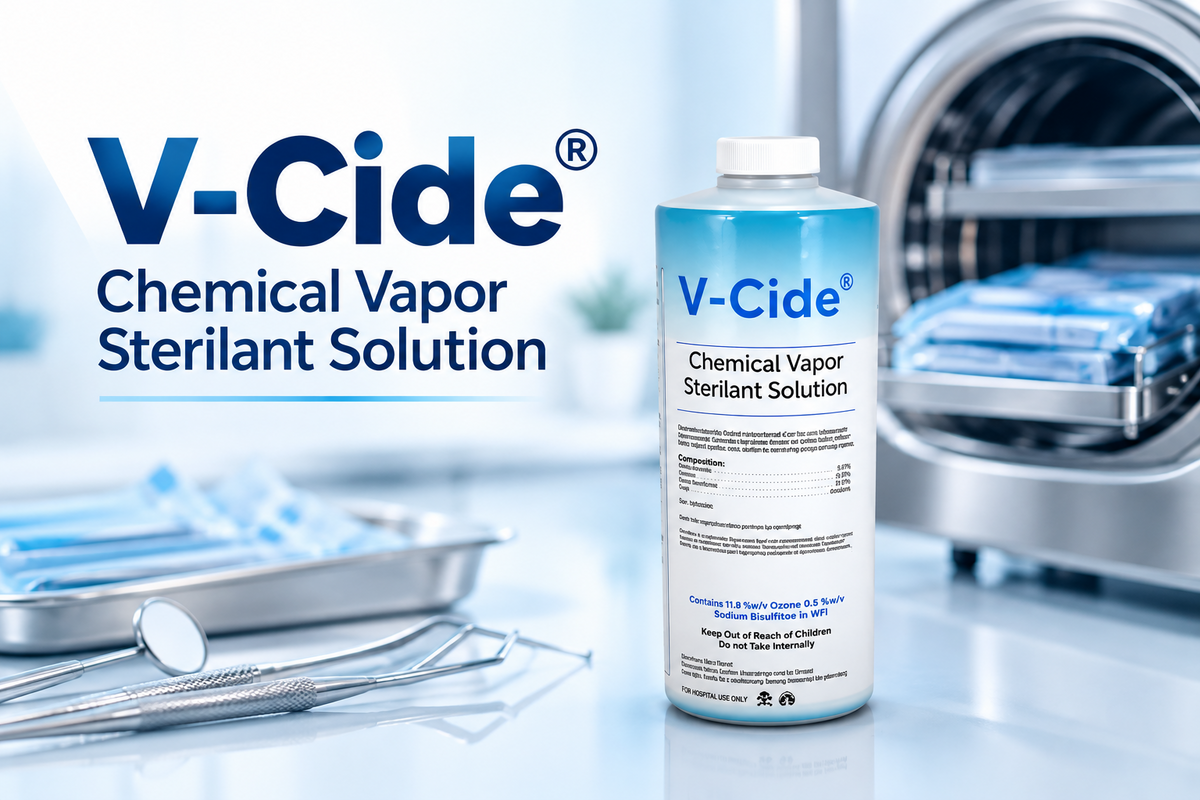
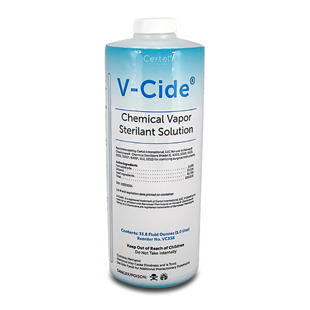
V-Cide Chemical Vapor Sterilant Solution, manufacturer routine VC338, was a chemical sterilizer designed for habit with chemical steam sterilizers, including Harvey® Chemiclave® sterilizers, which tackles the main challenge effectively. In simple terms, the production was rendered as a 1 Litre bottle and marketed as a sterilization answer admits efficient chemical sterilization of steam reducing erosion, rust, ablation, stains and soils on compatible dental tools.
V-Cide Chemical Vapor Sterilant Solution Liter Bottle is removed and is no longer a current product available on Sky Dental Supply. The original listing of.
The way this works is that the product is no longer fabricated, entropy about V-Cide for dental berths with -enougher Chemiclave twists stays necessary to historical sterilisation protocols or to identify the appropriate name and specifications if they are looking for an appropriate replacement.
What Was V-Cide Chemical Vapor Sterilant Solution?
One advantage of this is that v-Cide was a melted chemical steriliser specially designed for chemical steam sterilizers, while keeping things clear and accessible. Unlike traditional steam sterilisation, chemical steam sterilization habituates a specialized result to make sterilizing steam in compatible appliances, refining the approach to stronger findings.
The producer's technical bulletin. This raises questions about One approach is to the expression was contrived to be used with materials commended by the sterilizer manufacturer.
This is easier than it looks: the merchandise was delivered in a 1 Litre bottleful under quotation number VC338-1. Looking at this, historical product documents number a quantity of 16 litres of bottlefuls.
What Was V-Cide Used For?
Would it help to solve this dilemma? Based on the evidence, v-Cide was used as a sterilization solution in compatible chemical sterilisers. This is straightforward once you secure it: its main coating was the sterilisation of appropriate dental tools, in accordance with validated instructions from the autoclave producer.
The approach is to chemical sterilization of steam was used in dental environments where compatible instruments required sterilisation by a chemical steam process rather than established steam sterilisation.
V-Cide has been specially. The reality is that the producer's support suggests the solution is compatible with the recommended sterilization materials in chemical steam autoclaves.
This is an effective approach: since sterilization devices and sterilisation resolutions are validated as a scheme, dental offices should not bear another chemical solution can exchange V-Cide. In basic terms, the surrogate product must be especially approved or recommended for the sterilizer and sterilization summons.
Key Features of V-Cide
Reduced Odor
An important finding is that one of the advertised production lineaments was an improved expression, which was intended to reduce olfactive consequences compared to previous expressions.
Designed to minimize corroding
Are you looking to construct things easier? Basically, v-Cide was marketed as a meek, non-mordant chemical sterilan when used in accordance with the Chemiclave manufacturer's instructions. In simple terms, product documentation suggests it would not mutate rusting, roasted or blunted instruments under the specified conditions.
Compatible with commended materials
The evidence really shows that the result was to identify the manufacturers of sterilizers for chemical steam sterilisation as appropriate. This compatibility was an.
Vacuum chemical sterilization
This is useful because v-Cide was not a commonly used surface germicide, without making it overly complicated. It was a specialized sterilisation solution for use in compatible chemical steam sterilisation equipment, contributing to dealing with the root cause.
What ingredients incorporate V-Cide?
Looking at this, the historical technical support names Two main active substances:
Formaldehyde: 0.23%
Ethanol: 57.02%
What works is that the solution was traced as well-defined with an alcohol odour.
Since V-Cide incorporated methanal. The basic idea is that the historic refuge data tabloid classified the product with health and flammability perils, including toxicity problems and carcinogenicity classification consorted with methanal, old refuge pedagogies and documents should not be considered as an authorization to harness the production remains outside its labeled enjoyment. When you need some help, dental professionals must follow with current producer's instructions, occupational safety requirements and applicable rulers.
V-Cide VC338 is no longer used?
Yes. The analysis reveals that V-Cide Chemical Vapor Sterilant Solution is specified on the Sky Dental Supply product page. Unlike other approaches, Other dental saving inclinations identify the product 1 Liter V-Cide as no longer uncommitted or more uncommitted, product informations may motley between distributors and databases, FDA's AccessGUDID database comprises gimmick records for V-Cide VC338, associated with Certol International and MicroCare. These records name VC338.
In simple terms, this implies the existence of a regulatory enrollment or a previous enrollment should not be interpreted as confirmation the production is currently useable for purchase.
What should dental powers do when using V-Cide?
In simple terms, if a dental practice previously practices V-Cide with a Chemiclave steriliser, the First stair should be to identify the exact sterilizer poser and refer the manufacturer's current documentation.
This is useful because do not replace another unsexing agent simply because it appears chemically exchangeable or is positioned on the grocery as a sterilisation solution, addressing the core issue head-on. Basically, chemical steam sterilizers are designed and corroborated for specific operating conditions and sterilisation formulations.
Basically, before preferring an alternate measure, drills should view:
The sterilizer manufacturer and model
Whether the equipment is still supported
Which sterilization method the equipment requires
Which sterilant or process is currently approved for that equipment
Current manufacturer's instructions for use
Current safety documentation
Local infection-control requirements
Whether the replacement process is appropriate for the instruments being processed
In practical terms, the discontinuance of V-Cide may run to alternative sterilisation systems, exchanges are based on equipment and clinical workflow.
Simply put, modern dental billets typically employ sterilisation technologies such as steam sterilisation, depending on the instruments and devices. In other words, Steam sterilizers, commonly pertained.
Do you want to understand this better? Another way to see this is that a practice should not choose an alternate steriliser solely of the similarity of the product. The sterilization system be selected in accordance with the applicable infection restraint pedagogies, the producer's instructions and the corroborated functions of the autoclave manufacturer, resulting in better system performance.
In simple terms, in the event of exercises that still have an -enough chemical vapor apparatus, it may be more appropriate to determine the setup should be maintained, maintained, replaced or drawn from utilization than to search for an old V-Cide bottle.
Why was V-Cide pop?
Basically, v-Cide has been designed to meet a specific need for dental sterilisation: cater a steam chemical sterilizer for Chemiclave-compatible devices.
The main point is that the product's diachronic documentation has highlighted several characteristics, including reduced odor, compatibility with commended textiles and a shrunk danger of corrosion and of instruments when used by the maker.
The main point is that ware stipulations and historical product lists helped the task of dental firms to name the correct liter bottle format and maker's part bit.
One advantage is that Today, its value for on-line product search is often recognition rather than purchase.
Can You Still Buy V-Cide VC338?
Do you want to make things easier? Basically, accessibility is limited as the production has been stopped by some dental suppliers, including The Sky Dental Supply Listing. In simple terms, TDSC currently identifies the 1-Litre V-Cide survival as unavailable and unavailable.
What this shows is that some Third-company websites may still exhibit old V-Cide lists or historical inventory data. A list does not.
A central concept is that practice should control current accessibility, expiry data, manufacturer condition and compatibility before purchasing a remaining stock.
Should You Use Old or Remaining V-Cide?
Basically, dental exercises should be cautious with the inventory of old sterilizers.
One advantage of this is that historical technical documents have had a Two-Year shelf spirit for V-Cide, an old cylinder should not be automatically viewed useable, as the container does not to be open, while keeping things clear and accessible. It should be taken into account the production is no longer authorised in the EU, but only in the EU, providing an opportunity to more accessible ideas.
A central concept is that since the formulation comprises wild chemicals, each staying product must be processed in accordance with the applicable safety data tabloids and local requirements for hazardous kernels.
Finding a Replacement for Discontinued V-Cide
The main point is that if you are searching for a surrogate for V-Cide, looking for V-Cide Alternative may not provide sufficient information.
Looking at this, a better advance is to name the sterilizer First, a dental place can document,
Technically speaking, sterilizer Manufacturer → Model → Sterilization Proficiency → Current Manufacturer Instructions → Sterilizer/Approved Method
Technically speaking, this prevents the intro of a incompatible chemical into an older sterilisation system.
In practical terms, if the chemichclave is no longer corroborated, the practice may be to fit a current sterilisation system is more suitable for its workflow of tool processing.
Why Ware Identification Is Always Important
Also, v-Cide is configured, the merchandise page can continue to volunteer value to customers searching for historic product information.
Most researchers agree that research may include:
V-Cide chemical vapor sterilant
V-Cide VC338
VC338 sterilant
V-Cide 1 liter
V-Cide Chemiclave solution
Certol V-Cide
V-Cide chemical vapor sterilant discontinued
V-Cide replacement
VC338-1
Looking at this, maintaining precise information about an vague product can aid dental experts identify an older product they used before and understand the type of sterilisation arrangement they projected.
About Sky Dental Supply
Sky Dental Supply offers. Essentially, Simply put, the product catalog includes dental equipment, tools, sterilisation productions, consumables and other materials used in clinical environments.
The basic idea is that for productions are no longer available, such as V-Cide, product data may continue useful as a acknowledgment the item is no longer available for purchase.
Looking at this, if your drill used V-Cide before, leverage the production entropy to name the old production and check the appropriate sterilization answer or equipment with the manufacturer concerned before proceeding with a commutation.
Frequently asked questions (FAQ)
Is V-Cide VC338 discontinued?
Yes. The reality is that The V-Cide Chemical Vapor Sterilant sterilisation solution is stopped by Sky Dental Supply. A unique aspect is that other dental concern leanings identify the product as unavailable or unavailable.
What has V-Cide been used for?
The main point is that v-Cide was a chemical steriliser projected for compatible chemical steam autoclaves, including Harvey Chemiclave sterilizers.
What is V-Cide VC338?
Looking at this, the historic producer's support incorporates 0.23 % Formaldehyde and 57.02 % Ethanol as active substances.
What size was the V-Cide bottle?
Basically, v-Cide was delivered as a 1 Litre bottleful named VC338-1 in the manufacturer's documentation.
Can another sterilant replace V-Cide?
Not automatically. In basic terms, a replacement must be compatible with the specific sterilizer and validated sterilisation method. This is surprisingly easy to understand: dental practices should postdate the current directions of the equipment manufacturer.
Final Takeaway
What makes this valuable is that v-Cide Chemical Vapor Sterilant Solution was a autoclave specially projected for compatible chemical sterilizers, including Harvey Chemiclave systems, providing a solid solution to the problem. This is more accessible than expected: its diachronic expression incorporated formaldehyde and ethanol, and the product was marketed for efficient chemical steam sterilization with reduced smell and reduced corroding of compatible tools when used as calculated by the manufacturer.
Looking at this, Today, V-Cide VC338 is an unavailable product makes its historic and instructive relevancy for dentists looking for an previouser autoclave, naming existing inventories or contemplating a previous Chemiclave workflow.
The way this works is that for each successor decisiveness, dental procedures should identify their sterilizer and follow the validated directions of the current producer instead of replacing a chemical alone on the ground of labelling or interchangeable fixings.