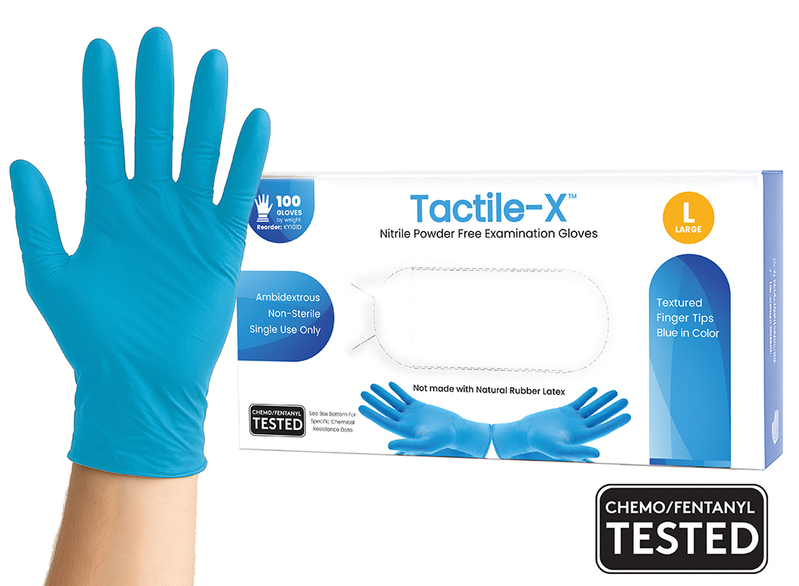
Textured vs. Smooth Nitrile Gloves: What Orthodontists Should Know
When you’re adjusting wires, placing brackets, or working in a tight oral space, the last thing you want to deal with is a loss of grip. For orthodontists, gloves aren’t just about protection—they’re tools that directly impact how efficiently and precisely you work. That’s why more ortho professionals are paying attention not just to the type of glove material they use, but to the texture.
So, what’s the difference between textured and smooth nitrile gloves, and which is better suited for orthodontic procedures?
The Basics: What Sets Them Apart
Both textured and smooth nitrile gloves are made from the same latex-free synthetic rubber. The key difference comes down to surface feel and grip.
Textured nitrile gloves typically feature micro-roughened fingertips or palm surfaces. This helps create friction, improving your grip on instruments even in wet or slippery conditions.
Smooth nitrile gloves offer a clean, soft finish. They’re comfortable, flexible, and great for general use, but don’t provide the same level of tactile grip.Why Texture Matters in Orthodontics
Orthodontic procedures demand small, repeated movements using precision tools. Bracket placement, wire changes, and ligature adjustments all involve fine motor control. If you’ve ever dropped a bracket tweezer or had difficulty holding onto a slick wire, you already know the issue: lack of grip.
This is where textured gloves make a noticeable difference. They allow for better control without needing to over-tighten your hand or readjust frequently. For busy ortho offices, that can mean faster patient turnover and less hand fatigue.
When to Choose Textured Over Smooth
Textured nitrile gloves are ideal for:
Wire bending or trimming
Bracket bonding and placement
Procedures requiring moisture control or suction
Smooth nitrile gloves might work better for:
Routine consults or exams
Low-intensity tasks where maximum grip isn’t necessary
Orthodontic assistants with grip-sensitive skin or comfort preferences
Some practices even stock both types, using textured gloves chairside and smooth gloves for admin tasks or light clinical use.
What to Look for in a Glove Supplier
Not all gloves are created equal. In orthodontics, consistency matters. Look for:
Reliable sizing (especially small and medium for detailed handwork)
Consistent texture and quality across batches
Latex-free and powder-free to minimize allergic reactions
Strong resistance to punctures without sacrificing feel
Our Recommendation
At Sky Dental Supply, we offer a range of nitrile gloves designed specifically for dental professionals—including textured options that are a favorite among orthodontists. NewTech Gloves strike a balance between grip and comfort, making them a top choice for daily ortho procedures.
If you’re still using smooth gloves and finding yourself frustrated mid-procedure, it might be worth trying out a textured alternative. The difference is subtle—but once you feel it, it’s hard to go back.
Explore our full line of nitrile gloves to find the right fit for your ortho team.