What’s the Best Dental Cement for Crowns and Bridges?
Ask five dentists which cement they prefer for crowns and bridges, and you’ll likely receive five different responses. Some favor resin cements, while others prefer glass ionomers. Ultimately, the “best” cement depends on the material being used, the retention provided by the preparation, and your personal preferences regarding cleanup and working time.
That said, a few types of cement consistently deliver reliable results, while others are better suited for specific situations.
Key Considerations for Crown and Bridge Cement
Most dentists prioritize the same essential qualities:
A strong, dependable bond
Easy cleanup (no one enjoys chasing excess material with a scaler)
Low sensitivity after application
Compatibility with newer materials like zirconia or lithium disilicate
Recommended Options for Most Situations:
Resin-Modified Glass Ionomer (RMGI)
This cement is a favorite among many dentists. It bonds effectively to tooth structure, releases fluoride, and provides sufficient strength for most zirconia or metal-based crowns.
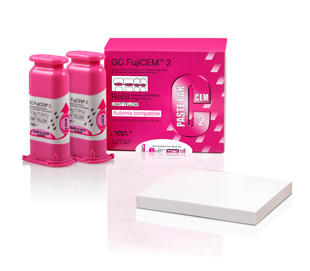
Dentist favorite: FujiCEM 2 — easy to dispense, sets reliably, and cleanup is straightforward if addressed promptly.
Self-Adhesive Resin Cement
For materials with less natural retention, such as short preparations or all-ceramic crowns, resin cement offers a stronger bond. These cements work well with E.max, zirconia, and CAD/CAM crowns.
Reliable option: RelyX Unicem 2 — eliminates the need for separate etching or bonding steps, saving time and minimizing post-operative complications.
Temporary Cement
When using provisional crowns or when you need to remove a crown later, temporary cement is the best choice. Opt for a non-eugenol formula if you plan to bond permanently soon after.
Go-to: Temp Bond NE — provides a secure hold but removes cleanly when necessary.
Final Thoughts
In a busy practice, you don’t need a dozen different cements on hand. Most dentists can effectively manage their needs with just three: a reliable RMGI, a solid resin cement, and a temporary cement that won’t cause issues later.
At Sky Dental Supply, we offer trusted brands like 3M, GC, and Kerr, along with some surprising options that excel in both price and performance.
Explore our complete selection of dental cements and find what truly works for you, rather than just what’s currently popular.